
Migraine is more than "just" headache. For many people it means recurring attacks with throbbing or pulsating pains, often accompanied by nausea, light or noise sensitivity and sometimes also visual disturbances. In Australia, migraine is a widespread health problem: Estimates suggest that several million people are affected, and women significantly more often than men. The complaints can noticeably impair everyday life, work, and family life.
The good news is that today there are many ways to better manage migraine. These include recognizing triggers, lifestyle changes, the proper use of over-the-counter or prescription medications, and – when attacks occur frequently – preventive treatments. Pharmacists also play an important role in this: They help in selecting suitable medications, explain the proper intake, and recognize warning signs where medical clarification is important.
Migraine has typical features but can present differently from person to person.
Many affected describe the pain as unilateral, throbbing, and moderate to severe. An attack can last a few hours but also up to 72 hours. Some people have a so-called aura before or during the migraine, for example flickering lights, blind spots or tingling. Others mainly experience nausea, vomiting, or a strong sensitivity to light, smells or sounds. Not every severe headache episode is automatically migraine, but recurring, similarly progressing complaints indicate that a medical assessment is sensible.
Knowing common triggers is an important first step.
Migraine does not arise from a single trigger, but usually from a combination of predisposition and external factors. Commonly mentioned are stress, irregular sleep, missed meals, dehydration, alcohol, hormonal fluctuations, and certain foods. Weather changes or very bright environments can also play a role for some people. A headache or migraine diary can help identify patterns. Those who note when attacks occur, how long they last, what was eaten or drunk, and which medications helped often get a much clearer picture.
Early treatment often improves effect.
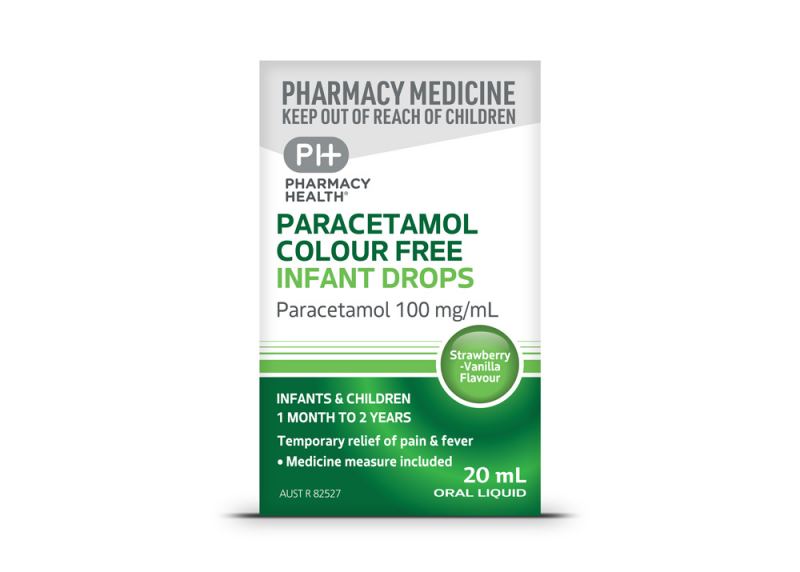
Many migraine medications work best when taken as early as possible in the attack – ideally when it is clear that a migraine is developing. In mild to moderate complaints, over-the-counter pain relievers like paracetamol or non-steroidal anti-inflammatory drugs like ibuprofen or aspirin can be helpful for some people. In Australian pharmacies, pharmacists regularly advise on which remedy may be best suited depending on age, pre-existing conditions, pregnancy, stomach problems, or other medications. It is important to adhere to the recommended dosage and not to combine different preparations thoughtlessly.
For stronger attacks, specific migraine medications may be necessary.
If ordinary pain relievers are not sufficient or the attacks are stronger, prescription treatments may be indicated. These include, for example, triptans that are specifically used for migraine. They are not suitable for every person, such as in the case of certain cardiovascular diseases, and should be used after medical consultation. In some cases, additional medications against nausea are prescribed. The goal of acute treatment is not only to alleviate pain but also to reduce accompanying symptoms and enable a possibly quick return to everyday life.
Too frequent intake of painkillers can promote headaches themselves.
An important, often underestimated point is the so-called medication-overuse headache. Those who take acute painkillers or migraine medications too often can develop a vicious cycle of increasingly frequent headaches. As a rough guideline: If acute medications are needed regularly on many days of the month, this should be discussed with a doctor. Pharmacists can point this out when painkillers are repurchased very frequently and recommend further clarification.
Prevention becomes important when migraines are frequent or particularly burdensome.
Not every migraine requires daily prevention. However, if attacks occur frequently, last very long, or severely restrict quality of life, a prophylactic treatment may be sensible. Depending on individual situations, various medications may be considered, including certain blood pressure medications, antiepileptics, antidepressants, or modern antibody therapies against CGRP. Which option fits depends on several factors, such as comorbidities, age, pregnancy planning, and past experiences with medications. A good prevention can significantly reduce the number of migraine days per month, even if it often does not make migraines completely disappear.
Lifestyle measures are not a secondary matter but part of the treatment.
Regular sleep, sufficient hydration, stable meals, and exercise can make a real difference. It is not about perfection but about stability. Particularly helpful is often a regularly structured daily rhythm. Relaxation techniques such as breathing exercises, progressive muscle relaxation, or mindfulness can also support, especially if stress is a recurrent trigger. Some people also benefit from physiotherapy if neck tension is an additional burden. Such measures do not always replace medications but can sometimes reduce their need.
Special life phases require individual consultation.
Migraine can change during puberty, menstruation, pregnancy, or menopause. Especially during pregnancy and breastfeeding, not every medication is suitable. Also, in children, older people, and individuals with chronic diseases, treatment must be carefully selected. Here, collaboration between the general practitioner, if necessary neurology, and pharmacy is particularly valuable. In the pharmacy, it can also be checked whether over-the-counter medications might interact with already taken medications.
Pharmacists in Australia are often a first, easily accessible point of contact.
Community pharmacies play an important role in Australia in local healthcare. Pharmacists not only advise on painkillers but also on the safe use of triptans, on avoiding overuse, and on dealing with side effects. They can explain when rest, hydration, and early medication intake are sensible and when, instead, medical help is needed. Many people initially discuss recurring headaches in the pharmacy because access is uncomplicated and questions can be clarified without long waiting times.
Certain warning signs should never be ignored.
Even if migraines are common, new or unusual headaches must be taken seriously. Quick medical clarification is important in case of suddenly occurring, very severe headache, fever and neck stiffness, after a head injury, with neurological deficits, persistent confusion, seizures, or when a known headache pattern changes significantly. The same applies to headaches during pregnancy, with cancer or immunodeficiency diseases, or when complaints become increasingly frequent and severe. Here, it should not simply be a matter of trying another painkiller.
In Australia, headache disorders, including migraine, are among the common reasons for impaired quality of life and work absences. The condition affects people of all ages but often begins in young adulthood. As many affected individuals try to treat attacks themselves at first, good health information is particularly important. This is precisely where general practitioners, neurologists, and community pharmacists can contribute together to ensure that migraine is recognized early, treated appropriately, and managed better in the long term.
Migraine is a common neurological disorder that goes far beyond ordinary headaches. Crucial are a good understanding of personal triggers, early and appropriate acute treatment, and – if needed – a preventive therapy. Equally important are practical measures such as regular sleep, adequate fluid intake, stable meals, and stress management. Pharmacists in Australia can help in selecting suitable medications, discussing side effects and interactions, and recognizing warning signs that should be clarified by a doctor.
With the right combination of prevention, self-management, and medical care, migraine can be significantly better controlled for many people, even if treatment often requires a little fine-tuning.
This information is for general purposes only and does not replace professional medical advice.









Licensed pharmacy operating under strict regulatory guidelines. All medications are sourced from accredited suppliers.