The Carty Signature Grant supports outstanding medical researchers working on projects with the potential for significant impact on human health. The recipients below are listed by year of award.
Baker Heart & Diabetes Institute
Plasmalogen-enhancing nutraceuticals to protect the heart from ischaemia-reperfusion injury
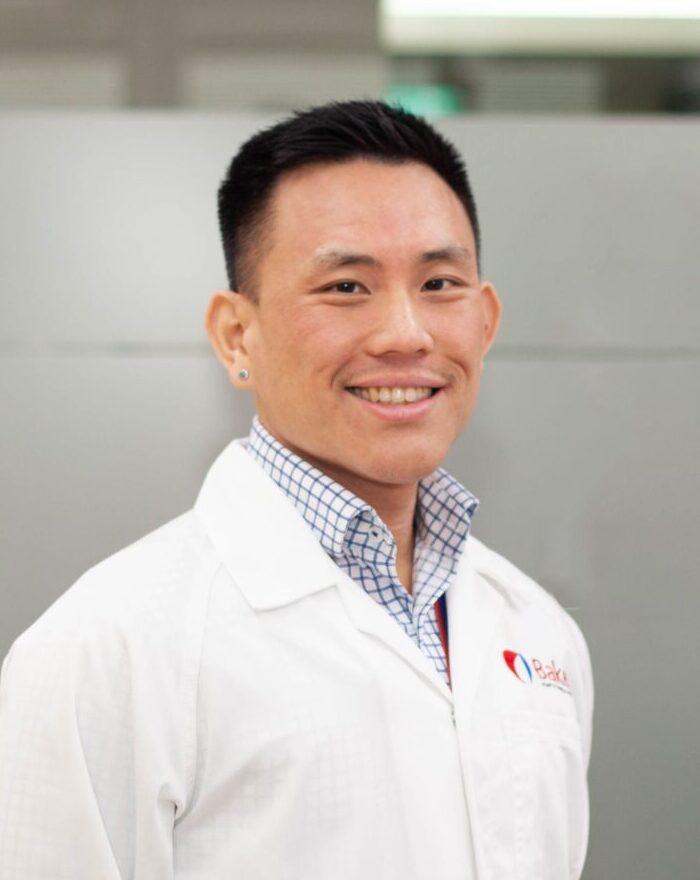
Dr Tham is a Baker–La Trobe Research Fellow and Group Leader in the Metabolomics Laboratory, specialising in preclinical modelling, molecular biology and lipidomics to investigate the protective role of plasmalogens in cardiovascular health. His project develops plasmalogen-enhancing nutraceuticals to prevent or reduce heart damage caused by ischaemia-reperfusion injury, a major contributor to heart attacks and heart failure. The project is geared toward clinical translation via a strong industry partnership and cross-institute collaborations.
Murdoch Children’s Research Institute
Patient-specific “mini lung” organoids to study chronic respiratory infections
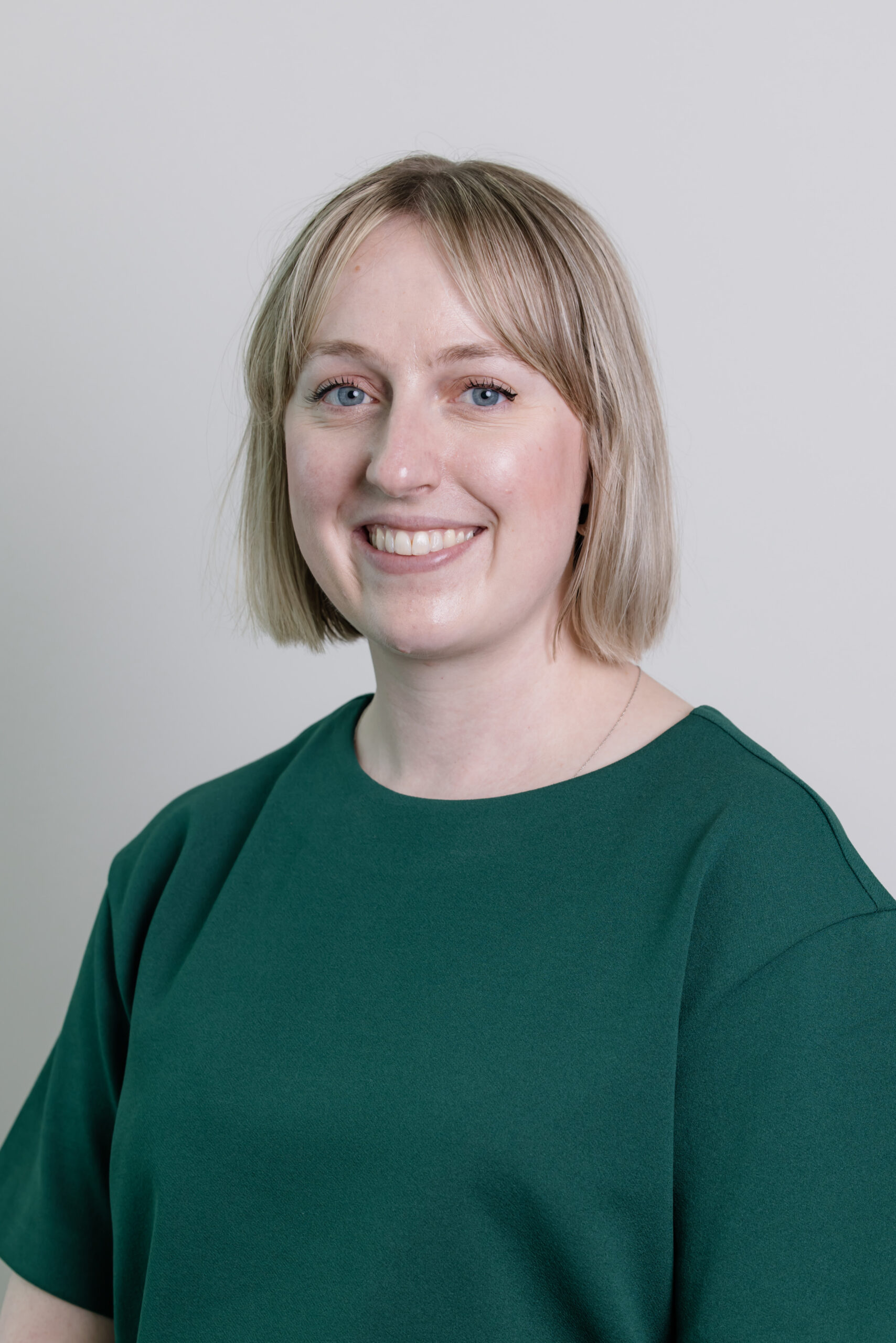
Dr Werder leads the Lung Disease Lab, using stem-cell derived lung models to advance treatment discovery for chronic respiratory infections. Her project uses patient-specific “mini lung” organoids to better understand infections affecting people with cystic fibrosis and alpha-1 antitrypsin deficiency. The work aims to reveal new therapeutic targets and generate critical preliminary data for future clinical research.
St Vincent’s Institute of Medical Research
Treating non-alcoholic fatty liver disease using designer human liver organoids
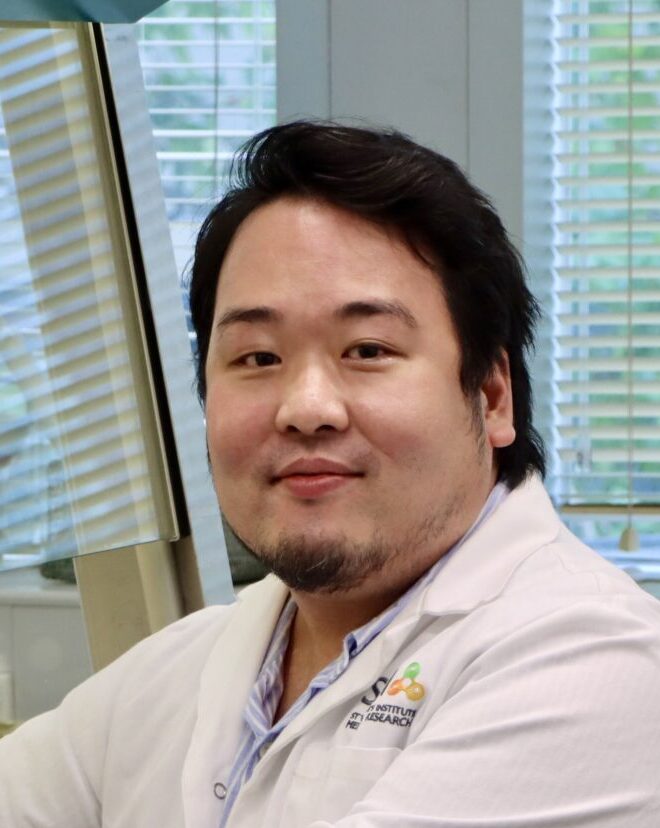
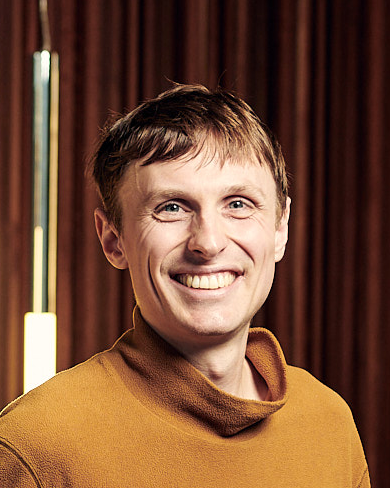
Dr Yap is a clinician-scientist driving translational liver research through his leadership in vascular biology. His project developed gene-edited, patient-specific liver organoids designed to resist fatty liver disease, offering a potential curative therapy where none currently exists. The program aimed to progress from pre-clinical work to large-animal studies and future clinical trials, supported by growing industry collaborations.
St Vincent’s Institute of Medical Research
Improving treatment pathways for patients with severe aortic stenosis
Dr Foulkes is a cardiovascular exercise physiologist with expertise in heart–lung–muscle interactions. His project seeks to identify which patients with severe aortic stenosis will not experience functional benefits from TAVI surgery, helping to avoid unnecessary risk and cost. Using advanced cardiopulmonary exercise testing and imaging, the study aims to reveal additional treatment pathways to improve patient outcomes.
Dr Foulkes’ project was supported through the balance of the FY2023 Signature Grant following Dr Yap’s departure, with additional funds applied.
Murdoch Children’s Research Institute
Mentally Healthy Communities for Kids (MCKi)
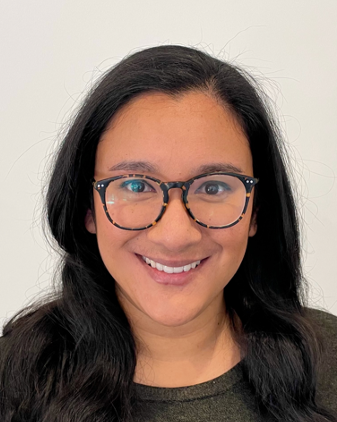
Dr Pascoe is an early-to-mid career research academic and manager specialising in improving the health and wellbeing of vulnerable children through school-based research, clinical trials, and community-focused mental health prevention initiatives. Her project, Mentally Healthy Communities for Kids (MCKi), addresses the sharp rise in mental health challenges among Australian children following COVID-19 by introducing a coordinated, community-led, multisystem approach. It draws on population-level data and practice and lived-experience insights to understand child mental health changes, and engages teachers, families, local services and communities to co-design targeted solutions that respond to local needs and priorities.
Monash University
Preventing asthma by deep diving into host-microbial interactions
Dr Pattaroni is a computational scientist who studies barrier immunity, with a focus on the early-life mechanisms that shape wheeze and asthma risk. Her research integrates multi-omics, clinical, and longitudinal cohort data to define how host–microbe interactions influence respiratory health from infancy. Using advanced computational approaches and unique paediatric cohorts, her work aims to uncover the molecular, cellular, and microbial pathways underlying early-life respiratory disease, and to identify new opportunities for disease prediction and treatment.
Baker Heart & Diabetes Institute
Identification of breast milk lipids that protect against childhood obesity
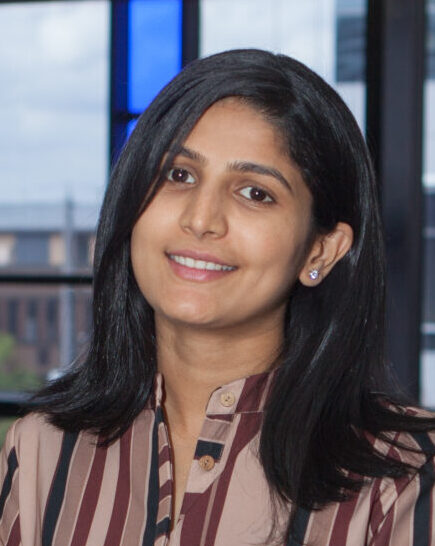
Dr Burugupalli specialises in early-life metabolic disease, leading lipidomic analysis for the large Barwon Infant Study cohort. Her project investigated breast-milk lipids that protect against childhood obesity and explored how these “protective lipids” might be added to infant formula. This first-of-its-kind work aimed to create nutritional interventions that mimic the benefits of breastfeeding and reduce obesity risk at population scale.
The Walter and Eliza Hall Institute of Medical Research
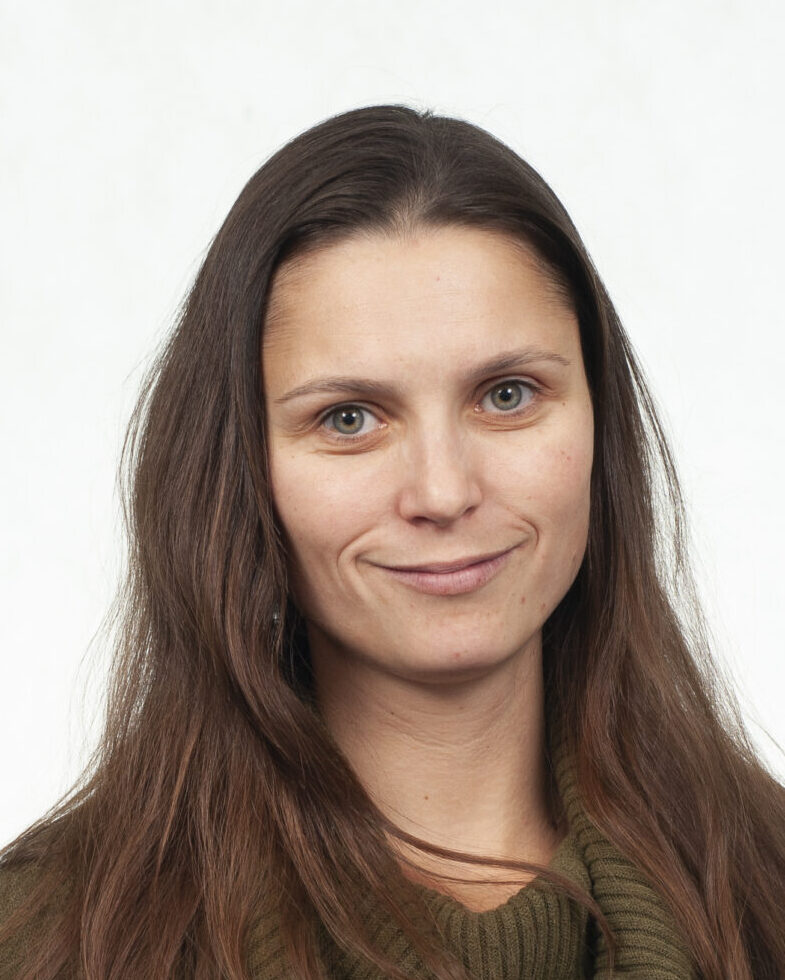
Llamas, nanobodies and fusion protein – a novel approach to developing treatment for childhood obesity
Dr Hrovat Schaale is a molecular and structural biologist focused on immune signalling pathways relevant to obesity. Her project engineered a modified form of IL-18 that can bypass its natural inhibitor, IL-18bp, restoring the body’s ability to break down fats. This novel “nanobody-driven” approach aimed to deliver a new, less invasive therapeutic strategy for childhood obesity.
A full record of grants approved prior to FY2020 is available to download.